


Have you ever stopped to think about your emotions—the ones we so often overlook? We’re quick to analyze problems, measure results, and make plans in our heads, but how often do we pause to ask, What am I really feeling right now? Most of us were never taught to do this. In many cultures, emotions are dismissed or even seen as weakness. We learn to “be strong,” which usually means don’t show what you feel. But ignoring emotions doesn’t make them go away. They still guide our relationships, our choices, and the direction of our businesses—whether we notice them or not.

Emotions are not a side effect of life – they are the steering wheel. They can open doors, inspire trust, and fuel creativity – or close hearts, cloud judgment, and break collaboration. Our emotions quietly shape the course of our personal and professional lives.
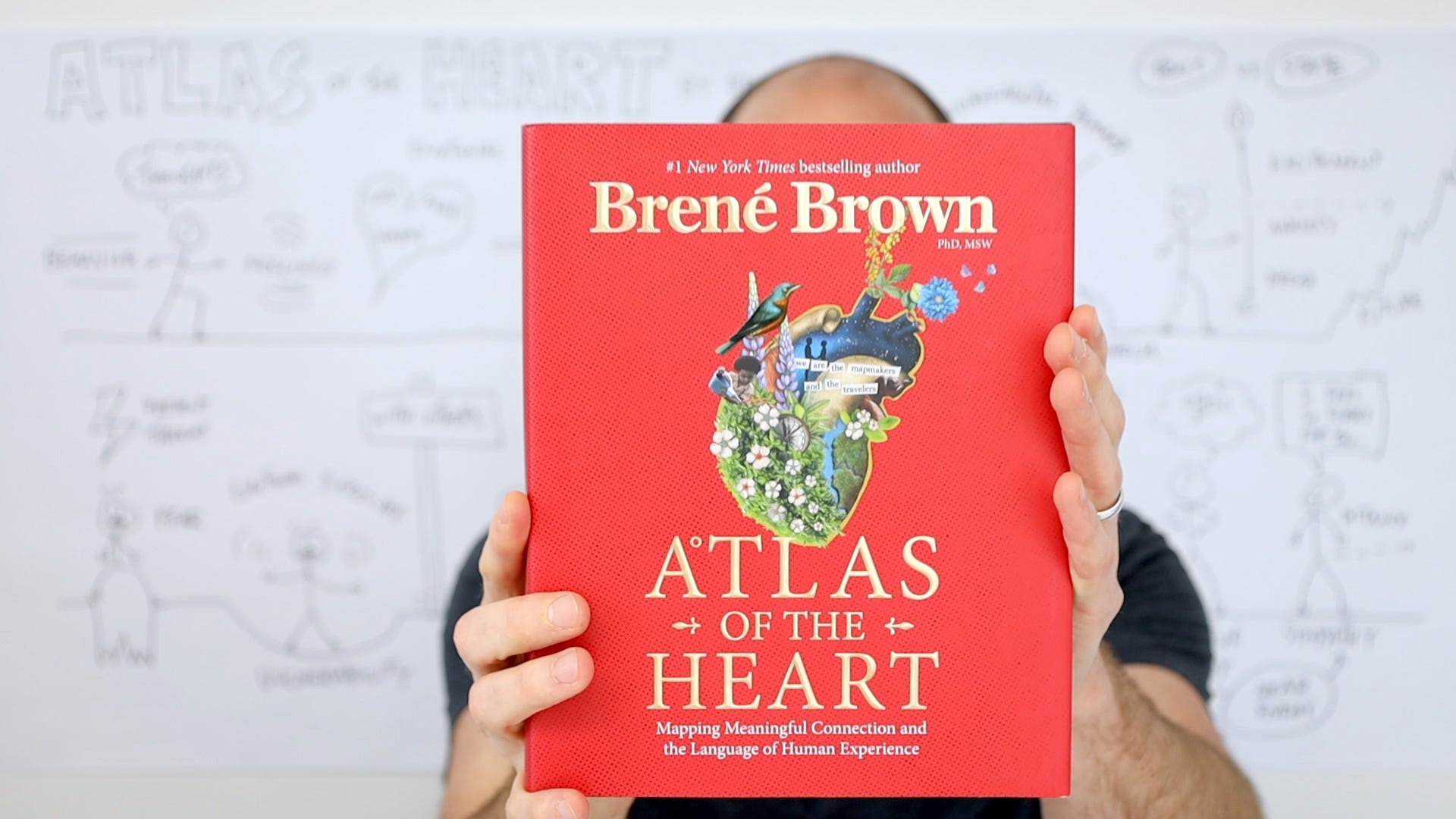
Brené Brown’s research highlights this truth. In Atlas of the Heart, she shows that while humans experience thousands of emotions and emotional blends, most people can only name three: happy, sad, and angry. Imagine trying to run a business or lead a team with only three colors on the palette – the picture will always be incomplete. Expanding our emotional vocabulary expands our awareness. Naming emotions like anticipation, disappointment, shame, or awe helps us recognize what’s really at play in our choices and relationships.
Human Design for Business adds another crucial layer. About half of the world has emotions defined – meaning they consistently generate and broadcast emotional “waves” that influences others. The other half has emotions undefined, meaning they are more sensitive to and can amplify the emotions around them. Together, we live in a giant “emotional soup,” constantly shaping and being shaped by each other’s energy.
I once worked with a CEO who had emotional definition with the Source Wave – the kind of energy that sets the tone for everyone around them. In our sessions, I guided him to recognize that what he broadcasts emotionally doesn’t just stay with him, it permeates the whole team. At that time, he was struggling with high blood sugar and frequent anger toward his employees. His wave amplified frustration across the company, creating more conflict and stress. When he began to take responsibility for his emotional broadcasting, the atmosphere shifted. By pausing before reacting and waiting for his wave to settle, he not only improved his leadership but also the health and productivity of his team.
Research echoes this. As Sigal Barsade wrote in Harvard Business Review in the article The Contagion We Can Control, emotions—both positive and negative—spread through groups like wildfire. Leaders, in particular, set the emotional tone. A wave of cynicism can ripple through a team, dragging down collaboration and morale. But the same is true for positive emotions: optimism, compassion, and calmness are equally contagious, creating resilience and trust across organizations.
For leaders and professionals, the takeaway is clear:
Emotions are not just private experiences, they are shared forces. Whether you generate them or absorb them, they shape the quality of your decisions, the trust in your relationships, and the culture of your organization. Developing emotional clarity means slowing down, naming what you feel, and understanding its impact before taking action.
If you are defined, take responsibility for the atmosphere you create. Your emotional clarity comes over time, not in the heat of the moment.
If you are undefined, practice discernment. Notice which emotions are yours and which belong to others, so you don’t make decisions from borrowed intensity.
You may get your Business and Career Design Blueprint here
Emotional clarity is not about denying or suppressing feelings – it’s about recognizing them, understanding their source, and aligning with your own truth. When we honor our design and emotional landscape, our decisions become wiser, our relationships stronger, and our leadership more authentic.
Warmly,
Banu Cetin